The Silent Bug That Cost Us Millions
A deep dive into how a single line of code brought down our unicorn-in-waiting.
January 10, 2024
·Blog
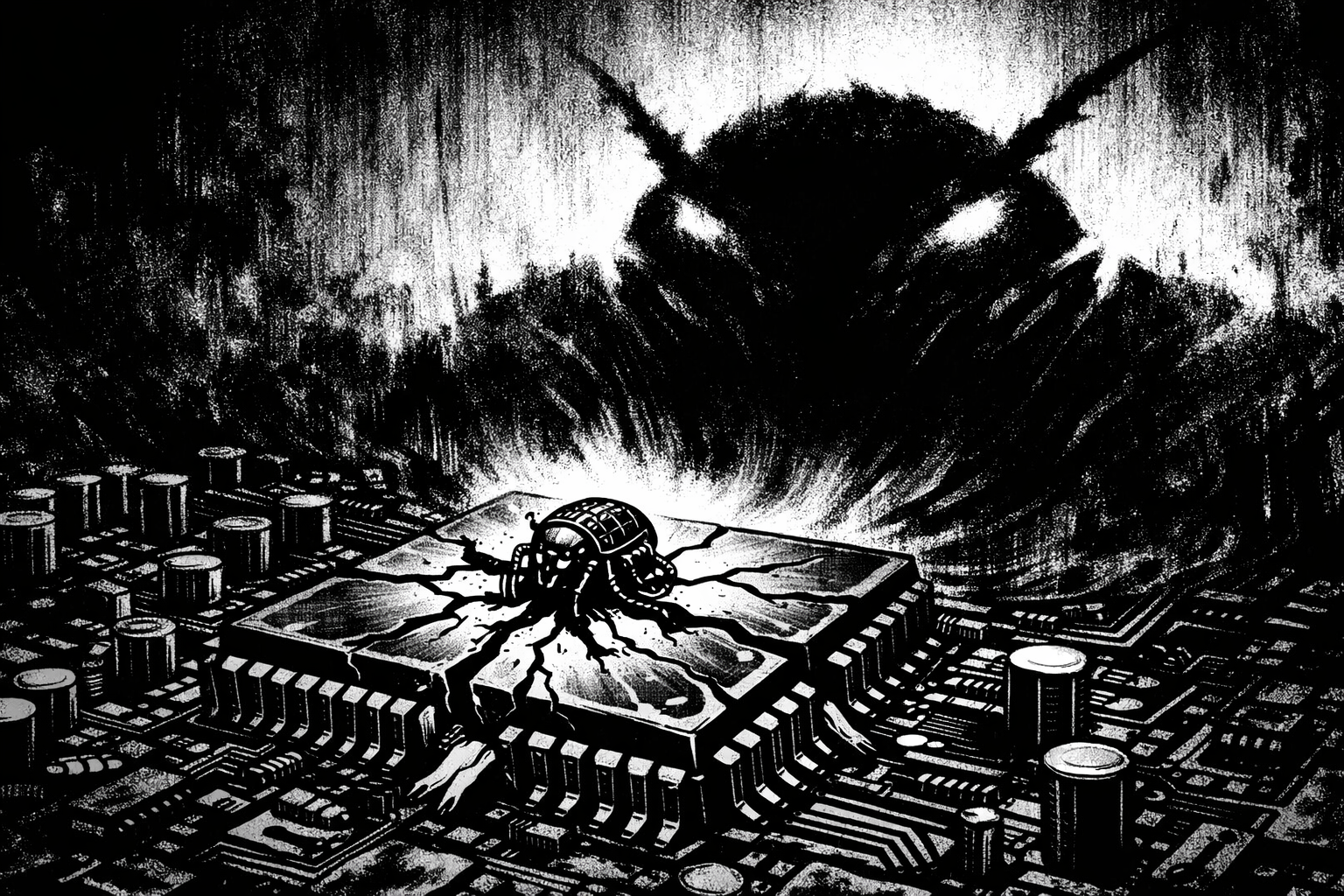
The Silent Bug That Cost Us Millions
It was 2:00 AM on a Tuesday when the alerts started firing. Not just one or two—thousands. Our dashboard looked like a Christmas tree, but instead of joy, it brought panic. We were bleeding money, and we didn't know why.
"In software, the most expensive bugs are often the ones you can't see until it's too late."
The "Perfect" Launch
We had just closed our Series A. The product was flying. Users were signing up by the thousands. We thought we had built a robust, scalable system. We were wrong. We had introduced a silent killer into our codebase three months prior, hidden inside a seemingly innocent payment processing function.
The Phantom Transactions
Customer support started getting weird tickets. "I was charged twice," one said. "My balance is negative," said another. We dismissed them as edge cases or user error. But the volume grew. A subtle race condition in our ledger logic was double-counting credits under high load.
- We ignored the warning signs in our logs
- We prioritized new features over stability
- We lacked proper transactional isolation levels
- Our monitoring was focused on uptime, not data integrity
The Cascade Failure
When Black Friday hit, the load multiplied by 10x. The race condition, which happened once a day, was now happening 50 times a second. Our database locked up trying to reconcile the conflicting writes. The entire platform froze.
// The innocent-looking code that caused the race condition
async function processPayment(userId, amount) {
  const user = await db.getUser(userId);
  // 💀 The balance was stale by the time we saved!
  // Another request updated it in the millisecond between read and write.
  user.balance -= amount;
  await db.saveUser(user);
}
The Aftermath
- We had to shut down the platform for 48 hours
- We refunded over $2M in erroneous charges
- Our reputation was shattered
- Key engineers burned out and left
The Post-Mortem
We learned the hard way that concurrency is hard.
- Lack of Locking: We should have used optimistic locking or database transactions.
- Testing Failure: We never load-tested this specific flow at scale.
- Hubris: We assumed our code was correct because it worked in staging.
Lessons for the Future
Technical Takeaways
- Use Transactions: Always use database transactions for money movement.
- Idempotency: Ensure every operation can be retried safely.
- Stress Test: Test your critical paths under unrealistic loads.
Rebuilding Trust
It took us a year to rebuild our reputation. We rewrote the billing engine from scratch (in Rust, this time) and implemented rigorous auditing. The bug cost us millions, but the lesson was priceless.